
How New Jersey fills congressional vacancies
Here is the process for filling vacancies in the U.S. Senate and House of Representatives in New Jersey.

New Jersey saw four congressional vacancies from 2024 to 2025. Representatives Donald Payne Jr. and Bill Pascrell died. Sen. Bob Menendez resigned following his corruption conviction. And Rep. Mikie Sherrill was elected governor. Each triggered a different path to replacement.
Congressional vacancies occur in the U.S. Senate and House of Representatives when an officeholder resigns, dies, or is expelled.
In New Jersey, the governor must temporarily appoint an interim senator to fill a vacant Senate seat and order a special election to fill a vacant House seat.
State law authorizes the governor to call a special election for a Senate vacancy after the interim appointment has been made. The governor cannot appoint someone to fill a vacant House seat.
The Jersey Bee produced this explainer to help New Jersey residents understand their federal representatives are selected when a congressional vacancy occurs.
How are vacancies filled in the U.S. Senate in New Jersey?
New Jersey’s governor appoints someone to temporarily fill the vacant Senate seat until the next general election, according to state law. The governor can appoint an interim senator who is not of the same political party as the previous officeholder.
If the next general election is within 70 days, the appointee must serve as an interim senator until the following November election, or the governor may call for a special election.
What are the responsibilities of interim U.S. senators?
Interim senators assume the same responsibilities as elected senators. They represent the interests of the entire state.
Senators have the power to:
- Vote on bills.
- Confirm presidential appointments.
- Try impeachments.
- Approve or reject treaties.
- Sit on legislative and oversight committees.
How are vacancies filled in the U.S. House of Representatives in New Jersey?
Special elections fill a vacancy in the House. A special primary election determines each party’s candidates, and the winner of the special general election completes the remainder of the unfinished term.
The special primary election must occur between 70 and 76 days after the writ of election is issued. The special general election must follow no later than 70 days after the special primary.
What are special elections and how do they work?
Special elections follow the same processes as regular elections. Voters select the party nominee of their choice in the primary.
New Jersey has a closed primary, so voters can only choose from among candidates of their declared party. Unaffiliated voters can vote in either primary by declaring their party preference at the polls. All voters then elect their preferred candidate in the general election.
Congressional candidates who run in special or regular elections can receive party endorsements and must file campaign contribution reports in accordance with the Federal Election Commission’s schedule.
Candidate names will appear on the special primary ballot in an order determined by a random drawing by each county clerk.
The winner of a special election fills the vacancy for the remainder of the term.
A regular election schedule will follow with a primary election in June and a general election in November. The winner of the special election may run as an incumbent candidate.
What are the responsibilities of the U.S. Representative who wins a special election?
The candidate who wins the special election will carry out the regular responsibilities of a member of the House of Representatives, representing the interests of the residents of that congressional district.
House of Representative members have the power to:
- Vote on bills.
- Propose legislation.
- Impeach federal officials.
- Elect the U.S. president in the event of a tie.
- Sit on legislative committees.
Learn more
Find your congressional district and district leader using the U.S. House of Representatives’ search tool.
Read about New Jersey’s U.S. senators and the committees they sit on here.
Explore New Jersey League of Municipalities’ presentation explaining how elections and vacancies work in New Jersey.
Help improve this resource
Help The Jersey Bee improve this resource by volunteering your expertise on the subject. Contact us here or email connect@jerseybee.org to share your experience.
Authors


Related Articles
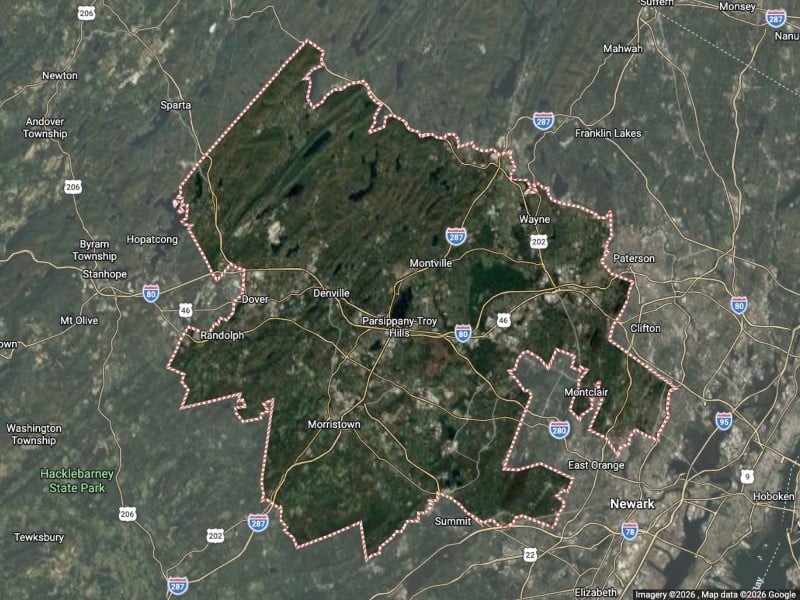
Meet the Democratic candidates running in NJ-11 special election primary
Learn about the candidates running in the Feb. 5 Democratic primary for the 11th congressional district special election in New Jersey.
How to recall elected officials in New Jersey
Learn about the rules, timelines, and requirements for removing elected officials from office before their terms ends in New Jersey.

East Orange to flush fire hydrants through Nov. 4
From East Orange City.
